
SMART BASKETBALL
TRAIN SMARTER
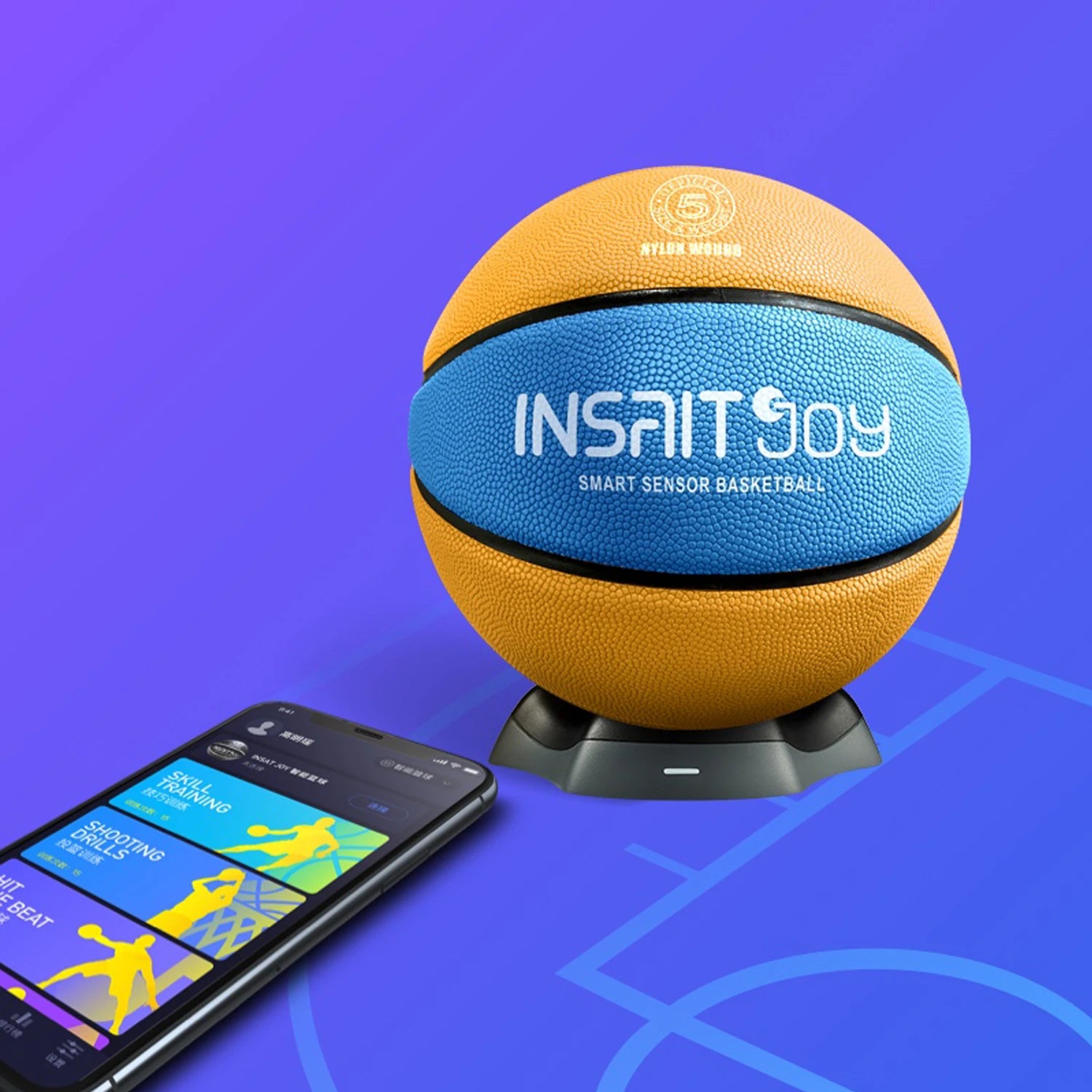
Smart sensor basketball that connects to your phone and tracks your shots and drills. Learn, improve and refine your basketball skills through consistent technical training with free subscription in Joy Basketball mobile app.
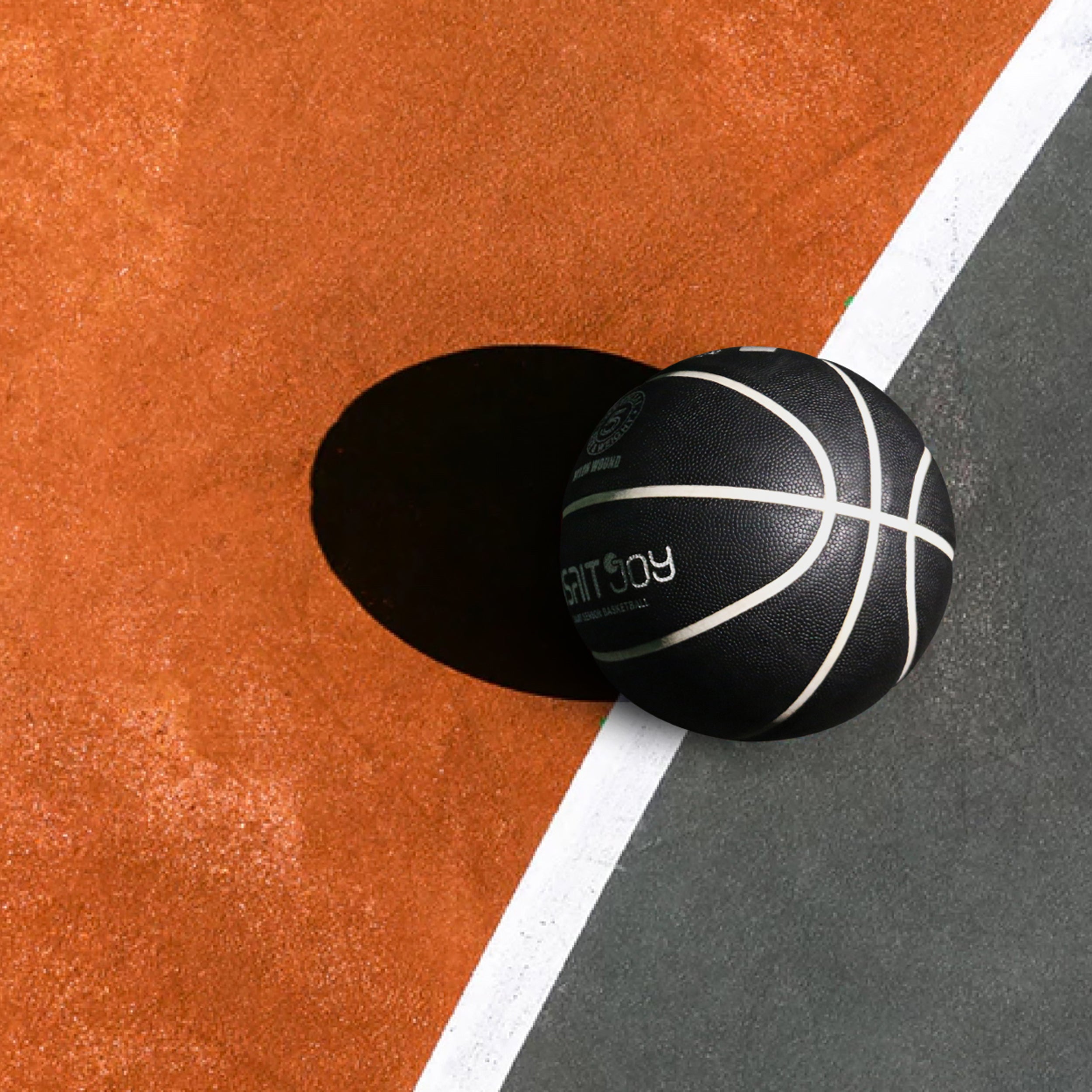
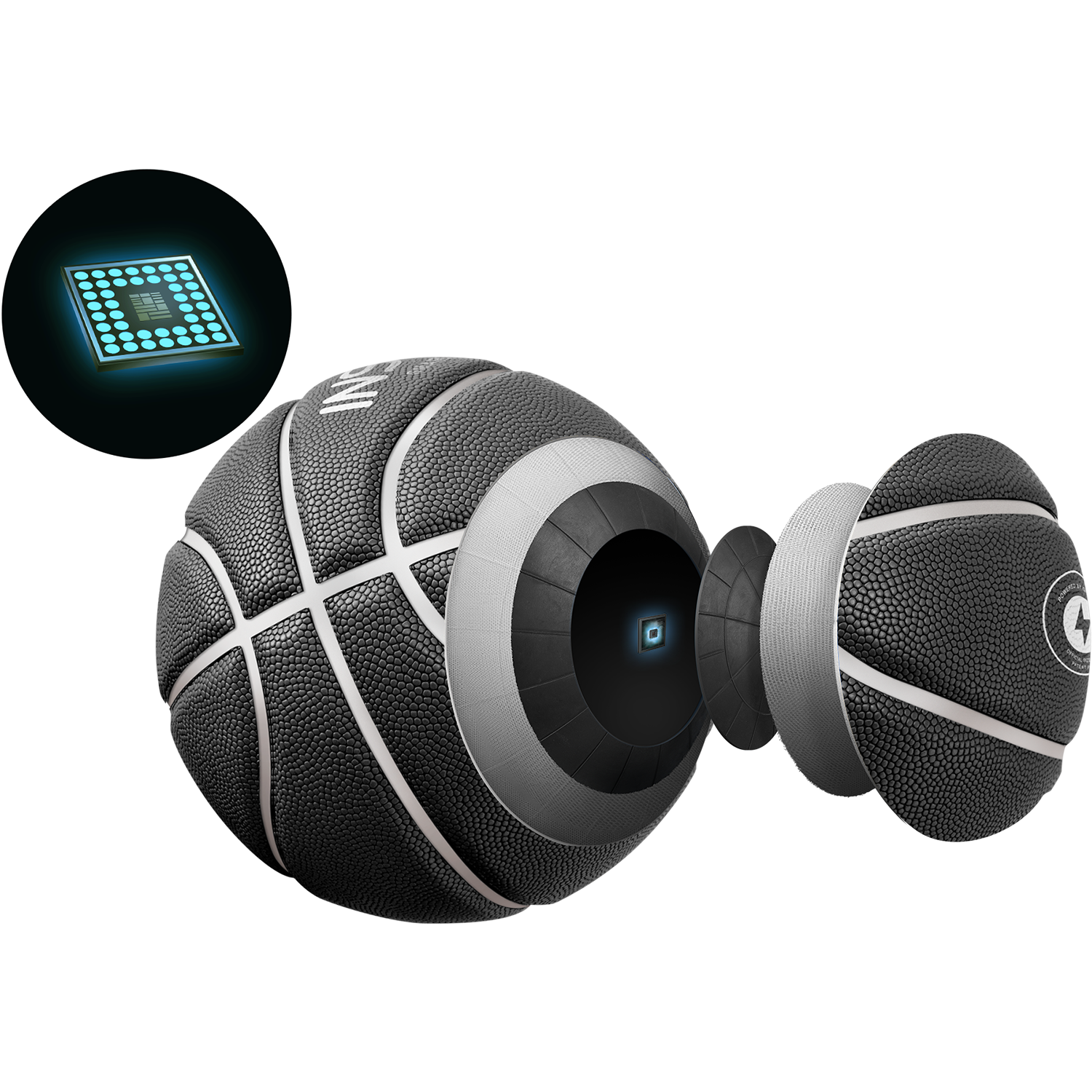
Smart Basketball that integrates ball sensor technology, AI-powered algorithm and interactive mobile app. Now everyone can develop basketball skills anywhere at any time, with minimum space available.
 What's included?
 What's included?
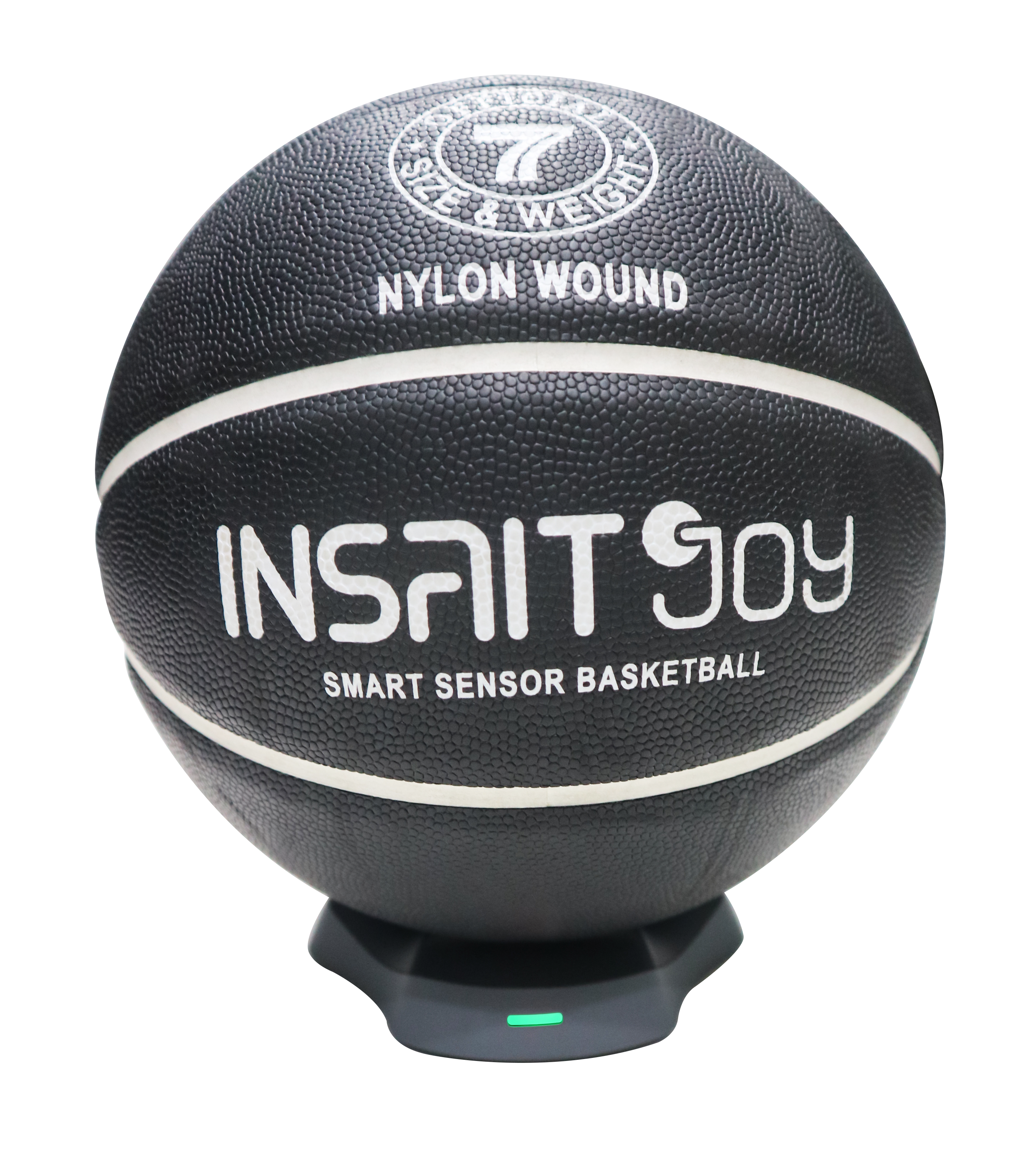
- INSAIT JOY smart basketball
- Wireless recharging base
- USB cable.

Free Smart App

No Subscription Fee

Secure Checkout
Overview:
The Smart Basketball combines a high-quality polyurethane basketball with embedded motion sensors, a mobile app and AI-powered algorithms. You can:
- Connect the ball to your smartphone, via the app.
- Track every movement, shot, spin, trajectory, dribble etc.
- Use it in limited space (i.e., you don’t need full court) for technical drills.
- Receive instant feedback on your performance and compare via leaderboards etc.
- Wireless recharge the ball (up to ~7 hours runtime) and enjoy a premium feel (surface, touch).
In short:
A “smart” basketball designed to turn individual training into data-driven, interactive, game-style drill sessions.
Improve Ball Handling with
SKILL TRAINING
Develop good natural feel for the ball with 5 fundamental drills that can be done anywhere with minimum space available.Get instant feedback on your workouts. Keep practicing to get more counts and fluency for a higher score in 30s or 60s modes.

Benefits & Why It Helps Performance
1. Precise feedback, not guesswork
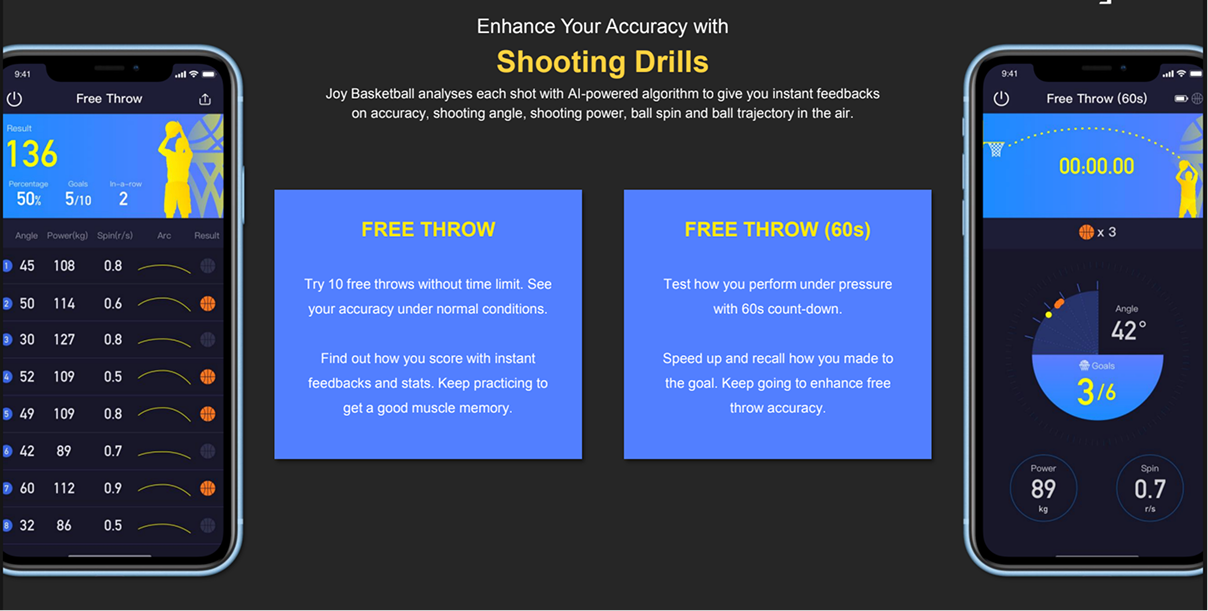
When you train normally you might feel you dribble better or shoot straighter, but it’s hard to know exactly how much you improved or which aspect (angle, spin, trajectory) is off. This smart ball gives metrics: accuracy, angle, power, spin.
Result: You can target your weaknesses rather than rely on vague “I need to get better”.
2. Consistent, structured drills
The product offers specific drills: waist wrap, crossover, figure-8 legs, weak hand/strong hand dribbles, shooting modes (free throw, 60s time) etc.
Having structured, repeatable drills means better muscle memory, consistency, and skill transfer — rather than random “I’ll shoot some hoops” practice.
3. Motivation via gamification & tracking
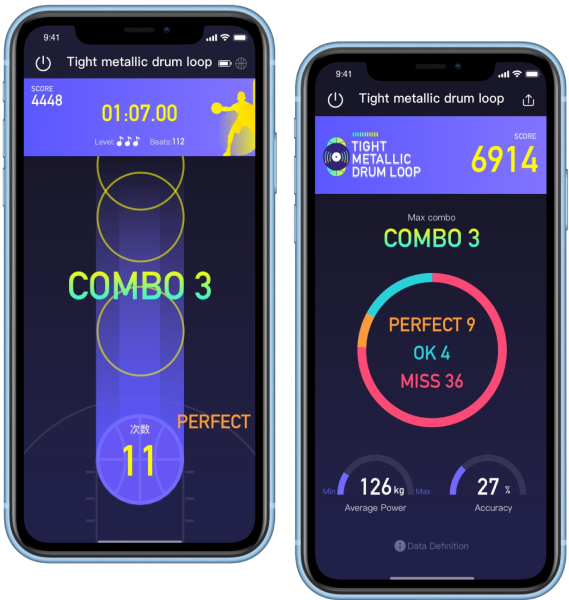
Scores, leaderboards, combo-drills, “hit-the-beat challenge” with music tempo.
Humans (you included) respond to game-like mechanics: goals, scores, visible progress. That helps you stick with training longer, push harder and track improvement (which influences performance).
4. Efficient use of space & time
They claim you can train “anywhere … with minimum space available”.
For players who don’t always have full court time, or want to drill on the go, this is a plus. More training time → more skill acquisition.
5. Data-driven self-improvement
Instant feedback means you can iterate: “That shot was off angle, spin was too high, I’ll adjust next”. Over time that catches the small but crucial margins that separate average players from above-average ones.
Also, tracking over time gives you a sense of progression (or stagnation), which is important for performance management.
6. Reinforcement of fundamentals under pressure
Features like the 60-second free throw challenge simulate a bit of pressure/time constraint. Real games don’t wait for you to relax; training in constrained formats builds that resilience.
Why Players Should Care
Because if you’re serious about performance (and I assume you are, because you asked), then:
- It gives you more value per minute of training. You’re not just tossing the ball around; you’re collecting data + refining.
- It enables you to identify specific flaws (weak hand dribble, shot trajectory, etc) rather than generic “I need to work on dribbling”.
- It supports accountability: you can set a “score target”, track progress, compare with peers (leaderboards) and publicly share via V-logs.
- It helps with adaptation: even if you’re stuck in a small space (bad weather, no court), you can still train meaningfully.
- It builds consistency – maybe the single biggest performance lever. The smart ball turns practice into a habit by making it more structured, fun, trackable.
Play Basketball Like a Video Game in
Hit-the-Beat Challenge
We combine dribbling exercises with music tempo and designed 9 fascinating hit-the-beat challenge.
Follow the beats on the screen. When a beat comes up, pound dribble hard on the ground to catch it.
Hit the beats as accurate as possible to get a high score. Maintain your dribbling power and try to make combo hits to get extra points.
Play Basketball Like a Video Game in
Hit-the-Beat Challenge
We combine dribbling exercises with music tempo and designed 9 fascinating hit-the-beat challenge.
Follow the beats on the screen. When a beat comes up, pound dribble hard on the ground to catch it.
Hit the beats as accurate as possible to get a high score. Maintain your dribbling power and try to make combo hits to get extra points.
Performance-Pointers (How to get the most out of it)
Because buying something is easy; using it well is what counts.
- Start with baseline metrics: Do a session, record your stats (angle, spin, accuracy) so you know your starting point.
- Pick one weakness at a time: Use the drill modes to focus (e.g., weak-hand pound dribble for 10 minutes) rather than spreading effort everywhere.
- Track progress weekly: Compare to your baseline. Are you getting better angle, more accurate, less spin?
- Use the time-constraint drills: The 60s free-throw mode or hit-the-beat challenge simulate game-like pressure. That’s where skills convert to performance under stress.
- Mix metrics with feel: Don’t get lost in the numbers alone. Use the tactile feel of the ball (premium surface) to maintain real-world game relevance.
- Share or compete: Use the leaderboards or V-logs to cement accountability. If someone else sees you training, or you see others ahead, you’ll push harder.
- Space-adapt training: If you can’t go to a full court, still use the ball for drills. The “minimum space” claim means you don’t need full hoop setup to improve fundamentals.
- Stay patient: Data will show marginal improvements. That’s expected. Small time-investment consistently beats sporadic big sessions.